

Every action you take has an energy signature. Some actions have a “buy now, pay later” quality; they leave you with an energy debt. They short-change what is necessary now and postpone it until later. Not only do they leave you with an energy debt, there is always, as it were, an interest charge. Taking the easy way out now just means it will take even more energy later to make up for it. Turning up the radio to mask the funny sound coming from the engine later turns into the car breaking down on your way to the job interview.
Other actions have a “stitch in time saves nine” quality. Getting your lazy ass to the gym takes effort and you would almost certainly prefer to spend that time eating chips and watching Netflix, but you will feel better tomorrow for doing it. You will sleep better, be stronger and have more energy to face tomorrow’s challenges. It’s an investment, with real returns coming your way in the future.
We live in a “buy now, pay later” kinda world. We eat a steady diet of advertising trying to convince us to take on debt of all kinds with vague promises that we’ll never have to pay off that debt. Of course, the ones selling us on the idea are the very ones who profit from all those interest charges.
This is bad enough when we’re just talking about money, but when we are talking about our energy investments, the problems become existential. Bad debts come due in the form of crises and crises seduce us into taking on more energy debt. “Shit’s on fire, y’all!” so you do whatever feels necessary to put the fire out without stopping for a minute to think about the compound energy debt you’ve just created. You may have put out one fire, but you’ve laid the conditions for an even bigger fire tomorrow.
That’s where we are today. Collectively and individually, we’ve been convinced to make bad decisions about where we put our energy and now as the world around us literally bursts into flames we feel trapped. We barely have enough energy to put out the fires we’ve created. How could we possibly think about planting new trees?
This is, however, merely an illusion; a cosmic con. There is always the possibility of pausing and thinking about how to use your energy as an investment. How can we deal with the seeming crisis in a way that starts to invest in our future? How do we start to work on the roots of the problem to avoid facing this same crisis again and again? How, at least, do we avoid making things worse by always looking for the easy way out?
Many of us have heard of the amazing effects of compound interest. A small amount invested regularly produces surprising returns over time. Energy investments work the same way. As you start to invest just a small amount of your time in your future well being, that investment starts to yield impressive returns almost immediately. For one thing, you stop having to spend all your time putting out fires because you aren’t setting them up in the first place. Eventually, those investments pay the most magical return imaginable: the feeling of having enough time. Just take a minute to imagine a world where you have plenty of time — all the time.
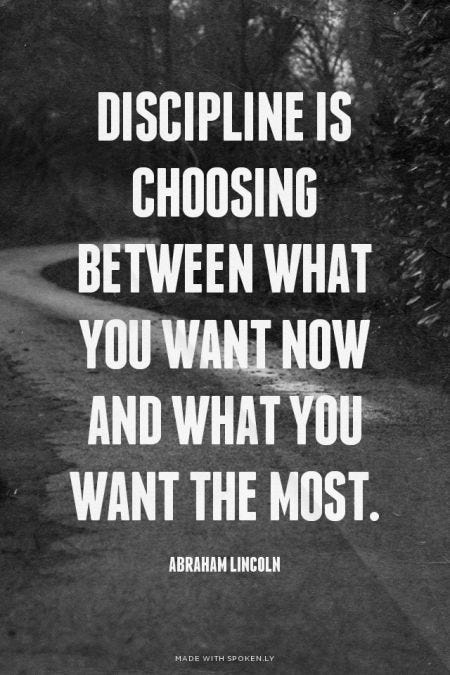
All it takes is a little discipline. Discipline: the difference between what you want now and what you want most. The discipline to stop. To pause. To not react and take the easy way out.
At first, this may feel like an overwhelming task. It isn’t. It is actually easier than the way we have been conditioned to live and think. Less struggle; fewer crises; better return on effort. It isn’t hard, it’s just different. New habits take a little time and a little nurturing to develop. For the most part, it simply involves not falling into the same knee-jerk reaction that got you into the mess in the first place.
Buddhism calls it the three difficulties: see neurosis as neurosis, do something different, make this a habit. The neurosis is simply doing the same thing and expecting different results. “Doctor, doctor! It hurts when I go like that.” “So don’t go like that!” Rather than running from crisis to crisis, stop. Stop being that hamster on the wheel, always running but getting no where. Take a breath. Get your bearings. Better to do nothing than to keep adding to the debt.
Once you do, as soon as you pause long enough to get out of crisis mode, almost miraculously you will get a clear picture of what a good investment look like. Suddenly, you see the trees you need to plant — the things that promise a healthy return tomorrow for a small investment today.
So, are you willing to commit to that small action today that will invest in your future self? Are you willing to step outside your comfort zone to do something different rather than repeating the same mistakes over and over? All it takes is a pause and a question: how can I spend this precious time I have well? How can I break the cycle of just putting out fires long enough to see the trees I need to plant? I promise you, the returns are worth it.